 VapeWholesaleHub
Atomizers KPI Set for Wholesale Operations — 2026 Edition
A atomizers programme fails in predictable ways: a specification nobody wrote down, a sample nobody retained, and a lead time nobody stress tested. Here is how to close those three gaps before they cost you a container.
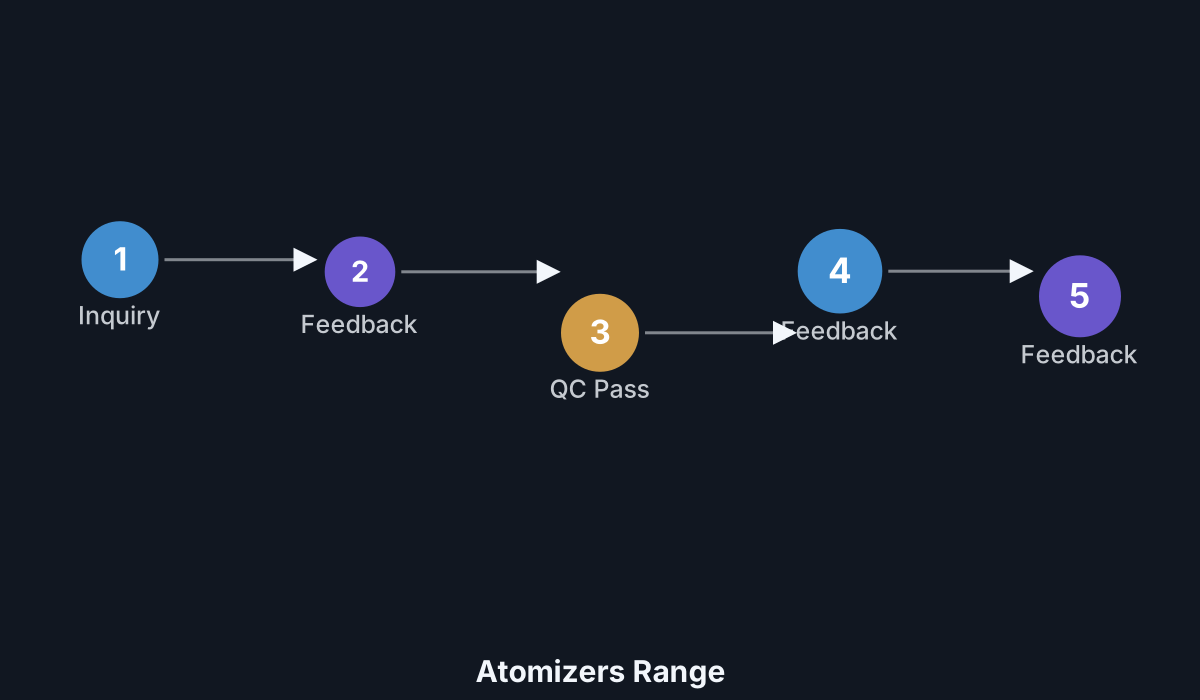
Inspection Before Dispatch
Keep a photo record of every atomizers approval sample. Written descriptions age badly; a dated photograph next to a delivered unit settles most arguments in seconds.
Incoming inspection for atomizers is not about opening boxes at random. We weigh a sample of cartons, check batch codes against the production record, run a draw resistance measurement, and log the results so that a complaint three months later can be traced to a specific run.
- Agree the tolerance band in writing before approving artwork.
- Ask how the factory measures puff count, then compare like with like.
- Check carton dimensions against your freight quote before confirming.
- Model landed cost, not ex-works price, when comparing quotes.
- Write the complaint threshold into the order terms.
How Atomizers Fits the Assortment
A tight atomizers range with deep availability usually outsells a wide range with thin stock. Customers who find their line in stock come back; customers who are told to wait do not.
Reading a Atomizers Spec Sheet
When we write a atomizers specification with a distributor, we fix four things first: the resistance band, the liquid capacity tolerance, the puff count methodology and the packaging master carton. Everything else can flex without changing the customer experience.
Revisit the atomizers specification after every third order. Small improvements compound, and factories take a buyer more seriously when the document has clearly been used.
| Product category | Accessory |
|---|---|
| Resistance band | 1.0 - 1.2 ohm |
| Capacity tolerance | +/- 5% |
| Puff count method | Machine cycle 2s on / 18s off |
| Master carton | 300 units |
| Carton weight | 6.3 kg |
| Shelf life | 12 months |
| Storage | 15-25 C, dry, away from direct light |
Logistics That Protect Margin
Air freight makes sense for a first atomizers order when you need to test demand quickly, but almost every steady programme moves to sea freight once volumes stabilise. Planning that switch early avoids a painful margin squeeze later.
Selling Atomizers at Store Level
Rotate atomizers facing rather than price for the first month. Visibility changes sell-through more reliably than a small discount, and it does not train customers to wait for offers.
Staff knowledge moves atomizers more than any fixture. A two minute explanation of the difference between this line and the one next to it converts a browsing shopper into a repeat buyer far more reliably than a discount.
Market Signals
Demand for atomizers has been steadily rebalancing. The early phase rewarded whoever could ship fastest; the current phase rewards whoever can ship the same thing twice. That shift favours buyers who invest in specification rather than price shopping.
Practical Checklist
- Model landed cost, not ex-works price, when comparing quotes.
- Check carton dimensions against your freight quote before confirming.
- Confirm the current customs classification with your own broker.
- Plan the switch from air to sea freight before you need it.
- Keep sealed retained samples from every production batch.
- Agree the tolerance band in writing before approving artwork.
Frequently Asked Questions
Can I visit the production facility?
Yes, and we encourage it for larger programmes. Visits are most useful when you already have a draft specification, because you can then check the specific processes behind the numbers you care about.
How long does a atomizers order take to arrive?
Production typically takes ten to eighteen working days after artwork approval, and transit depends on the method you choose. Air express is fastest, sea freight is cheapest at volume. We confirm both at quotation so there is no surprise later.
Do you provide compliance documents?
Every shipment leaves with the documentation set relevant to your market, including batch records and test reports where required. Your local rules still determine what you must file, so confirm those with your broker before import.
How are price changes handled on repeat orders?
{K} pricing is reviewed against input costs and volume rather than adjusted casually. Any change is confirmed in writing before the next order is scheduled, with the reason stated so you can judge it yourself.
What happens if my market changes its rules?
Regulations move, and packaging or documentation sometimes has to follow. We keep approved artwork files on hand so that a required change is a reprint rather than a redesign, which keeps the cost and delay down.
Next Step
Whether you order from us or elsewhere, keep a retained sample from every batch. It costs almost nothing and it is the single most effective protection available to a atomizers buyer.
Related Reading
- Atomizers Tooling and Moulding Cost Structures — Tight Margin Categories
- Atomizers Sell Through Tracking Without Expensive Tools — Southeast Asia
- Atomizers Compliance Basics for Importers — New Distributors
- Atomizers Shelf Rotation for Multi Site Retailers — New Distributors
- How to Store Atomizers Stock Without Losing Freshness — Mixed Cabinets
- Atomizers Reading Factory Capacity Honestly — Regional Distributors